Every festival packing list on the internet tells you to bring a tent and some sunscreen. This one goes deeper — covering the things experienced festival-goers have learned through hard experience to never leave behind, organised so you can work through it methodically before you leave.
This list covers day festivals, camping festivals, and the specific additions for international events. Adjust for the specific festival, climate, and duration of your trip.
The Non-Negotiables
These are the items that, if forgotten, turn a festival into an ordeal regardless of how well everything else goes.
Festival ticket or wristband confirmation. Screenshot it. Have it on multiple devices. Know the physical address of the venue.
Photo ID. Required for wristband collection at most major festivals, for age verification at bars, and for any medical situation that may arise.
Payment method. A card and a backup amount of cash. Many festival food vendors and smaller operators prefer or require cash. ATMs at festivals have queues and sometimes run out.
Phone and portable charger. See our full phone charging guide for the right charger specification. Your phone is your schedule, your map, your camera, and your connection to your group.
Ear protection. Festival sound levels cause measurable hearing damage over extended exposure. Custom musician’s earplugs attenuate volume without distorting music quality and are worth the investment for regular festival attendees. Foam earplugs are the economical alternative and still far better than nothing.
Sunscreen. SPF 50 or higher, applied before arrival and reapplied in the afternoon. Non-negotiable for any outdoor daytime festival.
Comfortable, broken-in shoes. The single item whose failure most reliably ruins a festival. New shoes at a festival are never acceptable. Whatever footwear you choose, wear it for at least two full days before the festival.
Clothing Essentials
One full outfit per festival day, plus one spare. Festivals are messier than anticipated. A spare outfit that stays clean until you need it is worth the packing space.
A warm layer for every evening. Festival temperatures after dark are consistently colder than the afternoon forecast suggests. A fleece, a hoodie, or a lightweight down jacket that compresses into your bag during the day goes on every night at every outdoor festival in every country.
A waterproof outer layer. A compact rain jacket or a packable poncho that lives in the bottom of your bag throughout the festival. You will not need it at most festivals on most days. When you need it, nothing else matters.
Comfortable walking socks. Two pairs per day minimum. Wet or inadequate socks are a misery multiplier. Merino wool socks dry faster, regulate temperature better, and smell better over multiple days of use than synthetic alternatives.
Underwear for every day plus one spare. This should be obvious. It is consistently forgotten.
Sunglasses. Outdoor festivals in daylight are far more comfortable with adequate eye protection. Bring a pair you do not mind losing or breaking.
A hat. Sun protection for your head and face. A wide brim protects more than a baseball cap. Any hat is better than no hat.
Toiletries and Health
Wet wipes. The most important hygiene item at a camping festival, full stop. A full-body wipe-down in the morning using a few good-quality unscented wet wipes provides the functional equivalent of a wash between shower opportunities. Buy more than you think you need.
Dry shampoo. Extends the time between hair washes significantly. Apply before bed for best results.
Toothbrush and toothpaste. Surprisingly easy to forget in the pre-festival packing rush.
Deodorant. Roll-on or stick, not aerosol spray if you are in a crowd environment.
Lip balm with SPF. Desert and outdoor festival air dries lips rapidly. Cracked lips by day two are entirely preventable.
Hand sanitiser. At least one bottle in your festival bag. Festival toilet facilities are what they are.
Any prescription medication. Bring more than you think you need for the duration. Keep it in its original packaging with your name on it. Carry a letter from your doctor for any medication that may raise questions at security or customs.
Pain relief. Ibuprofen or your preferred pain relief for the headaches that heat, noise, and dehydration reliably produce.
Antihistamines. Outdoor festivals in spring and summer expose people with hay fever and environmental allergies to conditions that are significantly more demanding than everyday life.
Blister plasters. Bring them even if you are confident your shoes are broken in. Particularly the compeed-style hydrocolloid blister plasters that actually treat the blister rather than simply covering it.
Female hygiene products if relevant. In more than adequate supply. Festival pharmacies exist but the queues are long and the selection limited.
A small first aid kit. Adhesive bandages in various sizes, antiseptic wipes, and a small pair of scissors covers the most common festival medical needs that do not require professional attention.
Bag and Carry
A festival bag that meets the event’s specific policy. Check the bag size and type restrictions before packing. Major festivals have specific restrictions that are enforced at entry.
A small lock for zipping your bag. A deterrent against casual opportunistic access rather than a security guarantee. Useful for both festival bag security and tent security at camping events.
A lightweight dry bag or waterproof pouch for valuables. Keeps your phone, cards, and cash dry when it rains and your hands are otherwise occupied.
A reusable water bottle. Refillable at water stations throughout most major festivals. The cost saving over buying water from vendors is significant over a multi-day event, and the environmental argument is equally valid.
Power and Tech
Portable charger, charged to full before leaving. Covered in detail in our phone charging guide. A 10,000 mAh minimum for a day festival. 20,000 mAh or above for a multi-day event.
Charging cables for every device you are bringing. And a backup USB-A to Lightning or USB-C cable for your phone specifically, since cable failure is a genuine festival problem.
A small torch or headlamp. For nighttime navigation at camping festivals and for the walk back from the stage to your tent. Your phone torch works but drains battery.
Ear defenders or earplugs as discussed above.
Camera and memory card if you use a dedicated camera. Check the festival’s camera policy — many prohibit professional cameras with lenses above a specified length.
Documents and Admin
Festival ticket or proof of booking. Both digital and paper backup where possible.
Travel insurance documents. Particularly important for international festival travel.
Emergency contact information. Written down, not just stored in your phone. The one scenario where this matters is also the scenario where your phone is unavailable.
A photocopy or photo of your passport and travel documents. Stored separately from the originals.
The festival’s address and gate information. When you need to tell a rideshare driver where you are going, having the full address available without needing to search for it is useful.
For Camping Festivals — Additional Items
Tent, pegs, and a mallet. The mallet is important — festival ground is often compacted enough that hand-driving pegs is either impossible or damaging to the pegs.
Sleeping bag rated for the expected nighttime low, minus 10 degrees Fahrenheit.
Sleeping mat. An inflatable mat for comfort and insulation. A closed-cell foam mat as a backup or for situations where puncture risk is high.
A pillow or pillow case. A pillow case stuffed with spare clothing works and saves packing a full pillow.
Camping chair. Check the festival’s chair policy — some prohibit chairs in the main crowd areas but permit them in camping areas and designated seating zones.
A tarp or pop-up canopy for shade at your campsite.
A padlock for your tent zip. A deterrent against casual opportunistic access.
Bin bags. For keeping your campsite tidy and for packing dirty or wet clothing.
A reusable shopping bag. For carrying items between your campsite and the festival grounds without using a bag that costs you bag policy compliance.
Cooking equipment if permitted and intended. A camping stove, a small pot, instant coffee, and simple food items that require minimal preparation provide significant comfort and cost saving at multi-day camping festivals.
A battery-powered fan. Tent interiors become genuinely hot in the morning at warm-climate festivals. A small battery-powered fan improves the sleeping environment meaningfully.
Clothes pegs and a short length of cord. For drying wet socks and clothes at your campsite.
For International Festival Travel — Additional Items
Power adapter for the destination country. UK and European festivals require adapters for US appliances and charging equipment. Buy before you go — festival site options are limited and expensive.
Travel insurance that specifically covers festival attendance. Many standard travel insurance policies exclude festival events or limit cover in ways that matter. Read the policy before you go.
A copy of any essential prescription medication documentation. Some medications that are available over-the-counter in the US require prescriptions in the UK and Europe and vice versa. A note from your doctor for any medication you are bringing into the country prevents complications.
Offline maps of the festival location. Download the map area before you go rather than relying on data roaming for navigation from the airport to the festival.
Emergency cash in the local currency. For situations where cards are not accepted and your primary payment method fails.
Things Experienced Festival-Goers Always Pack That First-Timers Always Forget
A physical group meeting point. Not a tech item but a plan. Agree on a specific physical landmark where your group will meet if phones die or signal fails.
Gaffer tape (duct tape). A small roll. Fixes tent poles, broken bag straps, shoe soles that have started to detach, and dozens of other festival problems. Takes up almost no space.
Cable ties. For securing tent guy lines, fixing broken bag buckles, and the various structural problems that camping gear develops over a festival.
A marker pen. For writing your campsite location on your wrist, for marking your tent pegs as yours in a sea of identical silver pegs, and for the various labelling needs that camping life produces.
A small mirror. For checking your face makeup, your costume, and the back of your hair at a camping festival where full-length mirrors do not exist.
A lightweight buff or neck tube. Sun protection for your neck, warmth at night, dust protection at desert festivals, and rain face covering when a hood is not available. One of the most versatile single items you can bring to any outdoor festival.
Plastic bags of various sizes. Zip-lock bags for keeping items dry, for storing wet items separately from dry items, and for the various containment needs of festival life.
What to Leave at Home
Anything irreplaceable. Jewellery with sentimental value, expensive equipment, items whose loss would genuinely distress you.
More clothes than the list above suggests. The temptation to pack an outfit for every possible occasion is understandable and counterproductive. Every additional item is additional weight carried in and carried out.
Glass of any kind at events that prohibit it, which is most major festivals.
A full-size pillow, full-size towel, or any item that is available in a compact festival-appropriate version. Weight and volume matter.
Anything you have not tested before the festival. New tent, new boots, new sleeping bag — anything untested before the event carries the risk of discovering a problem at the worst possible time.
FAQ
What is the most important item to pack for a festival?
After your ticket and ID, comfortable and broken-in shoes are the single most important item. You can buy sunscreen at the festival. You can borrow a phone charger. You cannot replace footwear that fails on day one of a three-day event.
How much cash should I bring to a festival?
Enough for a day’s food and drinks from cash-only vendors, plus a contingency amount for unexpected needs. For a UK festival, 100 to 150 GBP per day is a reasonable budget for someone who intends to eat and drink from festival vendors. For a US festival, 100 to 150 USD per day covers similar needs. Adjust based on your actual plans — people who bring camp food and drink need significantly less.
What should I pack in my festival day bag?
Phone and portable charger, ID and payment, sunscreen and lip balm, ear protection, pain relief, hand sanitiser, water bottle, a light layer for the evening, and a rain layer. Everything else is optional.
Should I bring a backpack or a small bag to a festival?
Check the specific festival’s bag policy first — many major festivals require clear bags or have specific size restrictions. Within those constraints, the right bag is the smallest one that carries what you genuinely need for a day on the grounds. A small clear backpack or crossbody bag is the practical choice at most festivals.
How do I keep my festival packing light?
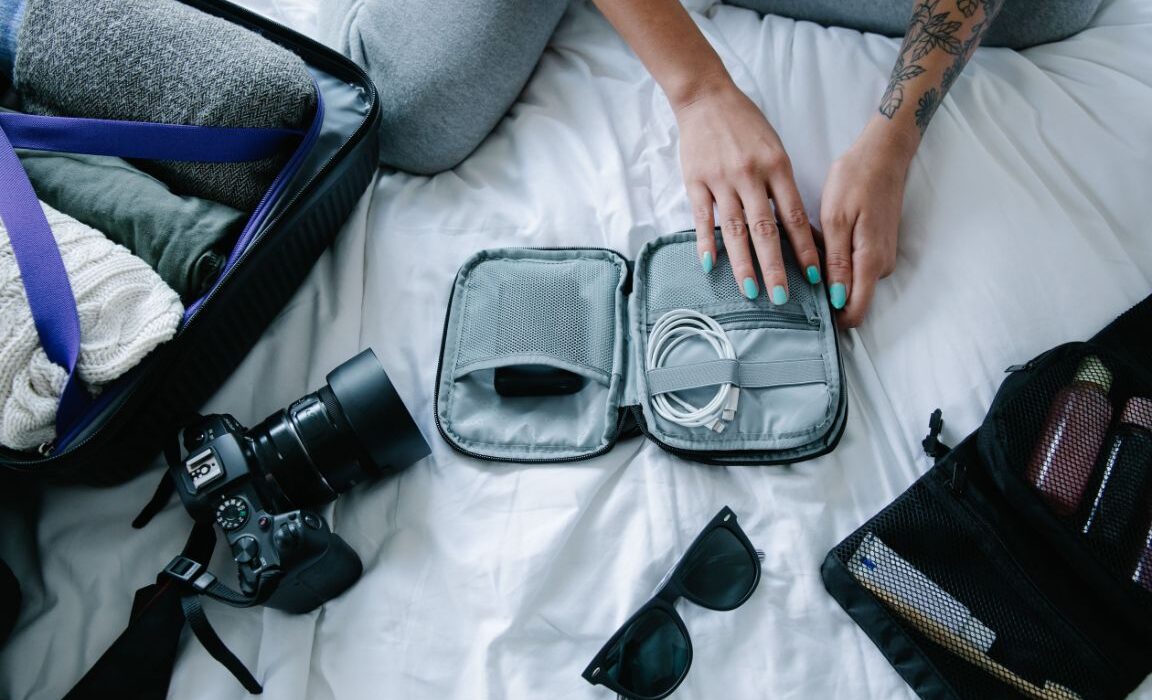
Lay out everything you plan to bring. Remove anything that has a duplicate function — you only need one way to solve each problem. Remove anything you are bringing “just in case” unless the consequence of not having it is genuinely significant. Pack the remaining items. The goal is the minimum that keeps you comfortable, not the maximum that covers every conceivable scenario.