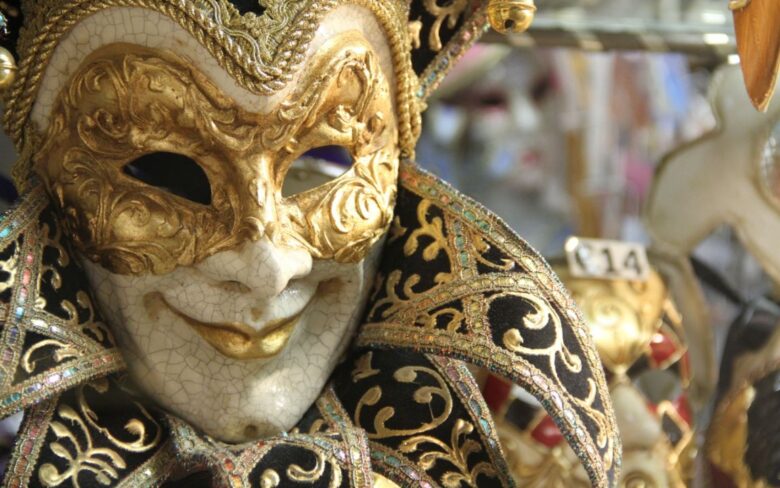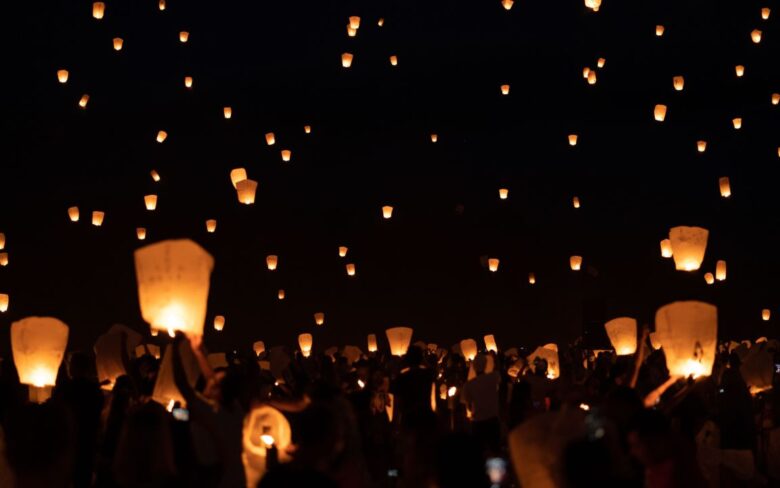
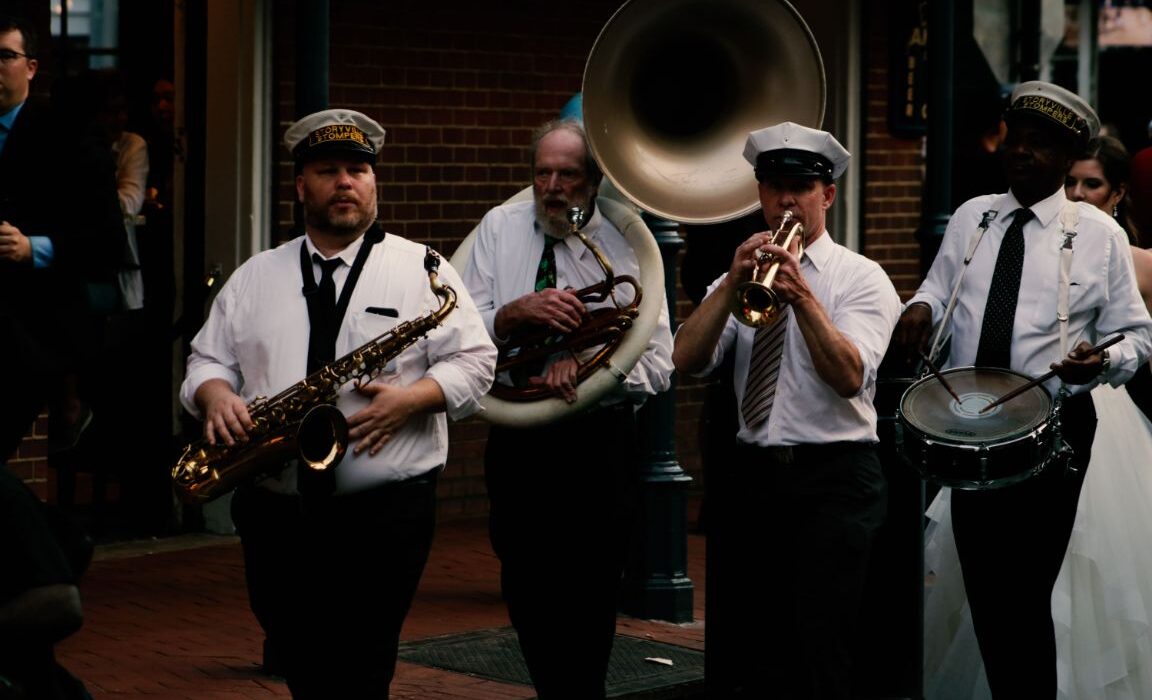
The New Orleans Jazz and Heritage Festival is not like other music festivals. It is not primarily about headliners, although the headliners are consistently excellent. It is not primarily about the production, although the fairgrounds at the Fair Grounds Race Course are beautifully laid out. It is primarily about New Orleans — about the culture, the food, the music traditions, and the living community that produced one of the most distinctive cities in the United States.
Jazz Fest, as it is universally called, has been running since 1970 and has become one of the most beloved music events in the world among people who attend it seriously. The devotion of its regulars is similar to Glastonbury in the United Kingdom — people who go once tend to go back, and the community of returning attendees has its own culture, its own inside knowledge, and its own way of experiencing the event that takes several visits to fully access.
This guide covers everything you need to know before your first Jazz Fest.
What Jazz Fest Actually Is
Jazz Fest runs across two consecutive weekends in late April and early May at the Fair Grounds Race Course in the Mid-City neighborhood of New Orleans. The festival grounds cover approximately 145 acres and include twelve stages featuring music from 11am to 7pm each day, alongside a craft market, a heritage area with demonstrations and lectures, a food festival with exclusively Louisiana vendors, and the horse racing track that gives the venue its distinctive oval shape.
The music programme spans jazz, blues, gospel, R&B, funk, brass band, zydeco, Cajun, Afro-Caribbean, and virtually every other musical tradition that has passed through New Orleans over three centuries. A single day at Jazz Fest typically means encountering music across five or six genres on different stages, connecting them through the shared root of the city’s musical culture.
The lineup is announced in waves from January onward and draws consistent interest from serious music fans because the curatorial approach — rooted in genuine musical heritage rather than commercial trending — means the same festival that books a global pop headliner also books the Rebirth Brass Band, the Zion Harmonizers gospel choir, and a Creole fiddle master on simultaneous stages.
The Music
The main stages
The Acura Stage at the infield of the race track is the largest stage and hosts the major headliner performances each afternoon. The Gentilly Stage, at the opposite end of the grounds, provides a second large-stage experience and often has programming that is equally compelling to the Acura headliners for people with specific genre interests.
The Congo Square Stage celebrates African and African-influenced music and is one of the most culturally distinctive stages at any American music festival. The Gospel Tent, a covered stage with seating, runs continuous gospel performances throughout each festival day and is consistently cited by returning attendees as one of the most emotionally powerful experiences available at the event.
The smaller stages
The Jazz Tent, Economy Hall Tent, Blues Tent, and Fais Do-Do Stage each represent a specific musical tradition and run continuous performances throughout the day. These are where Jazz Fest most clearly delivers on its heritage mission — professional musicians working within living traditions performing for audiences who understand and appreciate what they are hearing.
The Fais Do-Do Stage, dedicated to Cajun and zydeco music, creates a dancing environment that is unlike anything available at mainstream music festivals. The two-step tradition that Cajun and zydeco music generates pulls people onto the dance area in front of the stage and creates a community of dancers who are completely connected to the music in a physical way that standing-in-front-of-a-stage festival culture does not produce.
Planning your schedule
The Jazz Fest app and the printed programme contain the full schedule across all twelve stages for each day. The schedule conflict — multiple acts you want to see performing simultaneously on different stages — is a constant reality and planning requires prioritisation.
The experienced Jazz Fest approach is to plan the two or three things you most want to see each day and fill in around them rather than trying to schedule every moment. The unexpected discovery — the act you stumble across while walking between stages that becomes the highlight of the day — is one of Jazz Fest’s defining experiences and requires leaving space in your schedule.
The Food
The Jazz Fest food programme is one of its most distinctive and most celebrated elements. All food vendors at the festival are Louisiana-based operations, and the concentration of genuine Creole, Cajun, and New Orleans culinary tradition available across the fairgrounds makes Jazz Fest one of the great eating events in the United States.
The essential dishes
Crawfish Monica is the signature dish of Jazz Fest, created specifically for the festival in 1984 by Kajun Kettle Foods. Pasta with crawfish in a cream-based sauce spiced with the Creole seasoning blend that Monica Davidson developed for the event, it has been the most popular food item at Jazz Fest for four decades. The queue at the Kajun Kettle stand is consistently the longest on the grounds. Eat it early to avoid the peak wait.
Cochon de lait po’boy — slow-roasted suckling pig on French bread with a remoulade sauce — is another Jazz Fest institution that appears in excellent form from multiple vendors. The roasting smell that drifts across the grounds from the cochon de lait preparations is one of the defining sensory experiences of the event.
Crawfish beignets from the Café Du Monde stand at the festival are a Jazz Fest-specific variation on the powdered sugar beignets that are a New Orleans institution. The crawfish version, with a light batter and a creamy crawfish filling, is worth the inevitable queue.
Pheasant and andouille gumbo from Prejean’s Restaurant is one of the more unusual preparations available at the festival and one of the best single things you will eat there. Pheasant is not a standard Louisiana gumbo ingredient but the combination works exceptionally well.
Mango freeze is the essential non-alcoholic beverage of Jazz Fest — blended mango and ice that manages to feel both genuinely refreshing in the Louisiana heat and specific to the event in a way that a generic lemonade does not.
Strategy
The food queues at Jazz Fest are longest during the major performance breaks — when a headliner set ends and 50,000 people simultaneously decide they are hungry. Eating during performances rather than between them dramatically reduces your wait times.
Most dishes are designed to be eaten while standing or walking. The festival is not a sit-down dining experience and the eating is genuinely integrated with the music listening rather than separate from it. Carrying food from a vendor back to a listening position near a stage you want to hear is a perfectly normal Jazz Fest behavior.
The Heritage
The Heritage Fair area of Jazz Fest contains craft demonstrations, storytelling performances, cooking demonstrations, and educational programming that represents the non-music element of the event’s cultural mission. The crafts market, which occupies a substantial section of the grounds, includes handmade work from Louisiana artists and craftspeople — jewelry, pottery, paintings, textiles, and various forms of folk art rooted in the Louisiana cultural tradition.
The Native American Village, the Louisiana Folklife Village, and the Louisiana Marketplace within the heritage area provide context for the music and food that surrounds them, connecting the festival experience to the historical and cultural traditions that produced it.
Practical Logistics
Getting to the fairgrounds
The Fair Grounds Race Course is located in the Mid-City neighborhood, approximately three miles from the French Quarter. The most reliable transport options are the shuttle buses that run from various points around the city, rideshare services (which can be slow to arrive in the area around the festival during peak attendance hours), and bicycles, which can be parked in the bicycle corral near the festival entrance.
Driving and parking at or near the fairgrounds during the festival is possible but involves significant time spent finding parking in the residential streets surrounding the venue. The shuttle and rideshare options are more reliable for most visitors.
Getting in
Gates open at 11am each festival day and the peak crowd arrives between noon and 2pm as people finish lunch and make their way from the French Quarter and surrounding neighborhoods. Arriving at 11am provides access to the early performers, shorter food queues, and the most comfortable browsing conditions in the craft area before the crowds build.
The major headliners perform in the final two or three hours of each day, from around 4:30pm to 7pm. The crowd at the main stage during headliner sets is at its densest during this window.
Tickets
Jazz Fest tickets are available online in advance and at the gate on event days, though advance purchase is recommended to avoid the gate queue. Weekend passes are available for both festival weekends. Single-day tickets are the standard purchase for most visitors.
Tickets for specific weekend evening concerts, which take place at indoor venues around New Orleans in the evenings between and after the festival days, are separate from the daytime festival admission and require advance booking.
What to bring
The Jazz Fest grounds are outdoors and the event runs in late April and early May in New Orleans, when temperatures range from the mid-70s to the mid-90s Fahrenheit with high humidity. Sun protection — a wide-brim hat, sunscreen, and sunglasses — is genuinely necessary rather than optional.
A lightweight blanket or a low-profile folding chair allows you to claim ground space in front of a stage and sit comfortably during performances. The ground throughout the fairgrounds is a mix of grass and packed dirt that becomes increasingly packed as the day progresses.
Cash is useful for the food vendors, many of which prefer or require it. The ATMs at the festival typically have significant queues by the afternoon.
Comfortable shoes are the single most important practical decision. Jazz Fest involves four to eight hours of walking, standing, and occasional dancing on uneven ground.
Weather
Late April and early May in New Orleans is warm and frequently humid, with occasional afternoon thunderstorms that arrive and depart quickly. A light rain jacket or poncho that packs flat is worth bringing because the afternoon rain, when it comes, is typically intense for thirty minutes rather than persistent for hours.
The Evening Concerts
Jazz Fest’s official programming extends into the evenings with ticketed concerts at venues across New Orleans. These shows, known as the Jazz Fest Evening Concerts or the official Jazz Fest shows, feature artists who often also perform at the daytime festival and provide a different kind of music experience — seated or standing in a venue, focused on a single act rather than the multi-stage browsing of the fairgrounds.
The House of Blues, the Saenger Theatre, the Orpheum Theater, and various other New Orleans venues host evening concerts across both festival weekends. The venues themselves are often worth attending for their architectural and historical interest as much as for the specific performances.
The broader New Orleans live music ecosystem operates continuously throughout Jazz Fest season regardless of what is officially scheduled. The clubs on Frenchmen Street in the Marigny neighborhood, the venues in the French Quarter, and the bars throughout the city run their own live music programming that is entirely separate from the official festival. An evening on Frenchmen Street during Jazz Fest — moving between clubs, hearing jazz, blues, and brass band in intimate settings — is one of the most complete expressions of New Orleans music culture available.
Staying in New Orleans During Jazz Fest
Hotel prices in New Orleans during Jazz Fest weekend are at their annual peak alongside Mardi Gras. Booking accommodation as early as possible, ideally three to six months in advance, is necessary for reasonable options at reasonable prices.
The neighborhoods closest to the fairgrounds — Mid-City, Bayou St. John, and the Esplanade Ridge — are the most convenient for attending the festival but also the most in-demand. The French Quarter and the Garden District are further but provide better access to the evening dining and music that should be part of any New Orleans visit during Jazz Fest.
House and apartment rentals are popular during Jazz Fest because the duration of the visit — typically four to seven days for attendees who take both weekends seriously — makes the flexibility and space of a rented home preferable to a hotel. Booking through major rental platforms requires early action for Jazz Fest dates.
FAQ
How many days should I attend Jazz Fest?
One day gives you a genuine taste of the festival. Two days allows you to see significantly more and to eat more broadly. Four days across both weekends, with time in the city between and after the festival, is the full experience that regular attendees consider the correct way to do Jazz Fest. The festival rewards additional days more than most events because the depth of the programme means additional time reveals programming that a single day does not.
What is the best day to attend Jazz Fest?
The final Saturday and Sunday of the second weekend tend to have the most significant headliners and the largest crowds. Opening weekend Friday is typically the least crowded day of the festival with strong programming. Any day you can attend is worth attending — there is genuinely excellent programming across all eight days.
Is Jazz Fest appropriate for people who don’t love jazz?
Yes. The name creates a false impression of the festival’s scope. Jazz Fest presents music across essentially every American popular music genre — the jazz is there but so is country, hip-hop, rock, R&B, gospel, electronic, Cajun, and zydeco. If you love music in any genre, you will find something genuinely compelling at Jazz Fest.
Can I attend Jazz Fest without liking New Orleans food?
You can, but you would be missing a significant part of what makes the event distinctive. The food is not ancillary to the Jazz Fest experience — it is central to it. Approaching the food with openness, even if you are unfamiliar with Creole and Cajun cooking, is strongly recommended. Most of what is available is accessible to people without prior exposure to Louisiana cuisine, and the quality is high enough that most first-timers become enthusiasts within their first day.
Is Jazz Fest worth the cost?
Yes, for anyone who loves music and food and is interested in genuine cultural experience. Jazz Fest is one of the most carefully curated and culturally rich festival events in the United States, and the combination of the music programme, the food, the crafts, the heritage programming, and the New Orleans context makes it more than the sum of its parts.