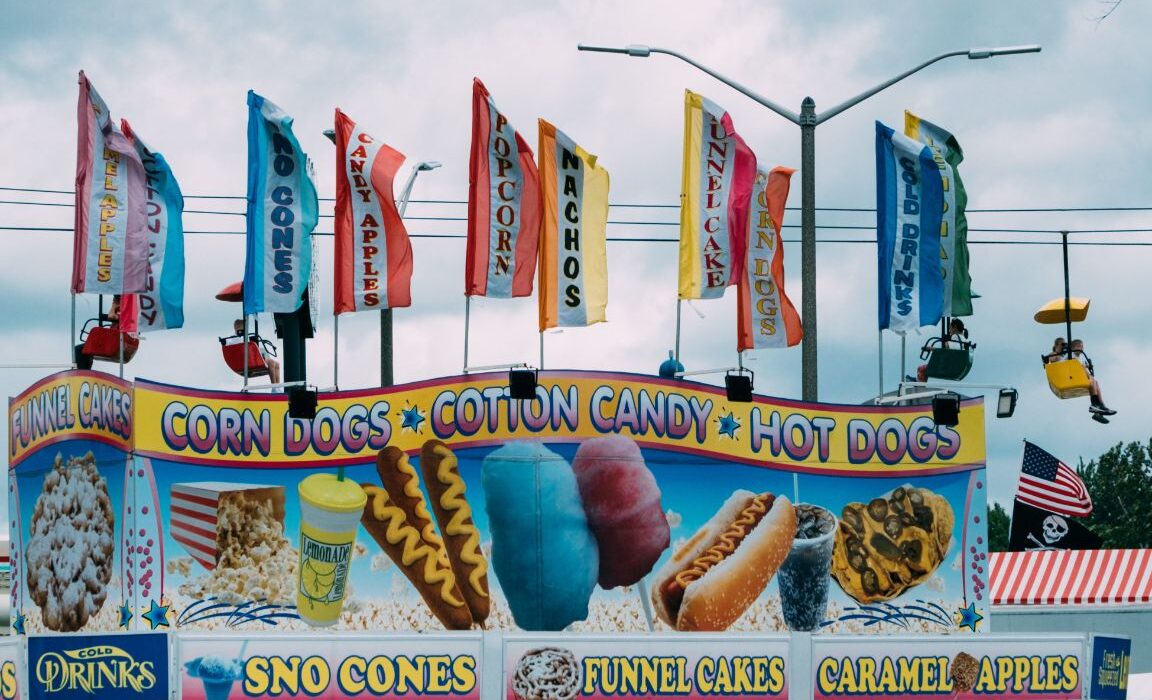
America’s food festival scene reflects the genuine depth and regional diversity of the country’s culinary traditions. The best food festivals are not themed fairs with overpriced funnel cake and generic vendor food. They are genuine celebrations of regional cooking traditions, competitive expressions of craft, and gathering points for the communities that produced the food culture being celebrated.
This guide covers the best food festivals in the USA by region, with an honest assessment of what each one offers and who it suits best.
The South
The South’s food festival scene is the richest in the country, rooted in culinary traditions that are genuinely world-class and deeply community-embedded. If you are going to attend one food festival in the United States, the odds are good it should be somewhere in the South.
New Orleans Jazz and Heritage Festival — New Orleans, Louisiana
When: Last weekend of April and first weekend of May
Jazz Fest is primarily known as a music festival, and its lineup is genuinely extraordinary. But the food programme at Jazz Fest is equally important and arguably more distinctive — the festival draws exclusively from Louisiana food vendors, and the concentration of Creole and Cajun cooking available across two weekends is one of the best eating experiences available anywhere in the country.
The crawfish Monica — pasta with crawfish in a spiced cream sauce, invented specifically for Jazz Fest by Kajun Kettle Foods — has been a fixture since 1984 and is the signature dish of the event. Cochon de lait po’boys, crawfish beignets, oyster patties, pheasant and andouille gumbo, mango freeze, strawberry lemonade, and the full range of the Louisiana culinary tradition appear across the fairgrounds in quality versions from vendors who have been participating for decades.
The food quality at Jazz Fest is exceptional specifically because the vendor selection is curated, the vendors are experienced, and the competition between them for the best version of a classic dish drives quality upward. Eating at Jazz Fest is a different experience from eating at a generic fair.
Best for: Food lovers who also love live music. People who want to understand Louisiana food culture in concentrated form. Anyone who has not yet been to New Orleans and wants the fullest possible introduction.
Practical notes: Jazz Fest tickets should be purchased in advance. The fairgrounds at the Fair Grounds Race Course are substantial but fill significantly on weekend afternoons. Arrive early for the food vendors and the best browsing conditions.
National Barbecue and Grilling Festival — Various locations
American barbecue competitions exist across the country and represent one of the most seriously practiced competitive cooking traditions in the world. The Kansas City Barbecue Society sanctions hundreds of competitions annually, and the major regional championships — the Memphis in May World Championship Barbecue Cooking Contest, the American Royal World Series of Barbecue in Kansas City, and the Jack Daniel’s World Championship Invitational Barbecue in Lynchburg, Tennessee — are the most prestigious events in the competitive barbecue circuit.
Memphis in May World Championship Barbecue Cooking Contest — Memphis, Tennessee
When: Third weekend of May
The Memphis in May barbecue competition is the largest pork barbecue competition in the world, drawing around 250 teams from across the country and internationally to compete across categories including whole hog, shoulder, and ribs. The fairgrounds on the banks of the Mississippi River are open to the public and the competition includes significant public access to the samples and community cooking that surrounds the formal competition.
Memphis barbecue, with its dry rub tradition and whole-hog cooking culture, represents one of the distinct regional American barbecue styles and is at its most concentrated and most competitive during this event.
Best for: Serious barbecue enthusiasts. People who want to understand the competitive side of American food culture. Anyone who wants to eat exceptional pork in extraordinary variety over a weekend.
Taste of Charleston — Charleston, South Carolina
When: October
Charleston’s food festival celebrates one of the most exciting restaurant scenes in the American South, a city that has developed genuine culinary sophistication rooted in the Lowcountry cooking tradition and the African American culinary heritage that is central to it. The Taste of Charleston event and the broader Charleston Wine and Food Festival that takes place in March both reflect a food culture that is worth travelling for in its own right.
The Lowcountry food tradition — shrimp and grits, she-crab soup, Frogmore stew, hoppin’ John, and the full range of rice and seafood cooking that developed in the coastal Carolina region — is available in excellent form across Charleston’s restaurant scene year-round, and the food festivals concentrate that into a public event format.
The Midwest
The Midwest’s food festival scene reflects its agricultural heritage and the diverse ethnic communities that have settled in its cities over generations.
Taste of Chicago — Chicago, Illinois
When: Early July
The Taste of Chicago is the largest food festival in the world by attendance, drawing around one million visitors over its five-day run in Grant Park. The event features around 100 food vendors from Chicago’s restaurant community alongside four days of free music performances on multiple stages.
The scale of the Taste of Chicago means quality and consistency vary significantly between vendors. The best strategy is to identify the specific restaurants and dishes you want to try in advance rather than browsing randomly, since the options are overwhelming and the temptation to eat mediocre food simply because it is in front of you is real.
The event is free to enter with food purchased using festival tickets available at the gate. The combination of the Grant Park setting, the Lake Michigan backdrop, and the genuine breadth of Chicago’s restaurant community makes it a worthwhile experience for visitors to the city during the Fourth of July week.
Pierogi Fest — Whiting, Indiana
When: Last full weekend of July
Pierogi Fest in Whiting, Indiana is one of the most genuinely community-rooted food festivals in the Midwest, celebrating the Polish-American heritage of a small industrial city on the southern shore of Lake Michigan. The festival draws around 300,000 visitors to a town of around 30,000 for a weekend of pierogi, kielbasa, polka music, and the particular festivity of a community that takes its culinary heritage seriously.
The pierogi on offer range from the traditional potato and cheese to more creative variations, and the festival’s community character — most vendors are local organizations and families rather than commercial operations — gives it a warmth that larger commercial food festivals do not have.
Best for: People interested in Polish-American food culture. Anyone who appreciates a community festival that has not been commercialized beyond recognition. Pierogi enthusiasts.
Iowa State Fair — Des Moines, Iowa
When: Late August through early September
The Iowa State Fair is one of the great American state fairs and one of the best places in the country to encounter the full range of Midwestern fair food in its most earnest and most accomplished form. The food-on-a-stick tradition, which has produced pork chops, deep-fried butter, chocolate-covered bacon, and dozens of other improbable constructions over the years, is both a genuine culinary tradition and a running cultural joke that the fair fully embraces.
Beyond the novelty foods, the agricultural and food competition programmes at Iowa State Fair — the butter cow, the baking competitions, the livestock shows — reflect the genuine farming culture of a state where food production is the central economic activity.
The Northeast
Vermont Cheese Festival — Various Vermont locations
When: October
Vermont has one of the most accomplished artisan cheese cultures in the United States, and the Vermont Cheese Festival brings together the state’s extraordinary range of small dairy farms and cheese producers for events that allow direct engagement with cheesemakers and their products. The combination of Vermont’s autumn foliage, its farm culture, and the quality of its artisan cheese production makes this one of the most pleasant food festival experiences in the Northeast.
Rhode Island Seafood Festival — Providence, Rhode Island
When: September
Rhode Island’s seafood culture, centered on the distinctive Rhode Island-style clam chowder (clear broth rather than the cream-based New England version or the tomato-based Manhattan version), stuffies, calamari, and the full range of New England seafood, is celebrated in various festival formats across the state each summer and autumn.
Providence’s restaurant scene, one of the most underrated in New England, provides excellent baseline seafood dining year-round, and the festival events concentrate the best of the local seafood culture into public celebration format.
Maine Lobster Festival — Rockland, Maine
When: Late July through early August
The Maine Lobster Festival in Rockland has been running since 1947 and is the most established celebration of what is arguably Maine’s most important culinary product. Around 20,000 pounds of lobster are served across the five-day festival, which includes seafood cooking competitions, a parade, entertainment, and the Miss Sea Goddess pageant that has been part of the event for decades.
The setting on the Rockland waterfront and the genuine connection to the Maine lobster fishing industry give the festival an authenticity that tourist-oriented lobster events elsewhere cannot replicate.
Best for: Lobster enthusiasts. People visiting coastal Maine in summer. Anyone who wants to eat lobster in the place and culture that produced it.
The West
Gilroy Garlic Festival — Gilroy, California
When: Last full weekend of July
Gilroy, California calls itself the Garlic Capital of the World and backs the claim with a festival that has been running since 1979 and draws around 100,000 visitors. The Gilroy Garlic Festival celebrates a single ingredient applied to an extraordinary range of dishes — garlic bread, garlic fries, garlic ice cream, and the garlic-centric cooking competition that has produced some genuinely creative results over four decades.
The garlic ice cream is the required experience. It is better than it has any right to be.
Best for: Garlic enthusiasts. People who appreciate the commitment of a festival that fully commits to a single ingredient. Anyone driving down the Salinas Valley in late July.
Pebble Beach Food and Wine — Pebble Beach, California
When: April
Pebble Beach Food and Wine is one of the most upscale food festival events in the country, combining the extraordinary setting of the Pebble Beach Coastal Resort with appearances from leading American chefs, extensive wine programming, and the kind of production that makes it genuinely aspirational rather than simply expensive.
The event includes cooking demonstrations, winemaker dinners, tasting events, and the culinary competitions that draw serious participation from chefs who would not attend a generic food festival. It is expensive — multi-day passes run into the thousands of dollars — but represents the highest end of American food festival culture.
Portland Feast — Portland, Oregon
When: September
Portland’s food culture is one of the strongest in the country and the Feast Portland festival, when it runs, concentrates the best of it into a weekend of chef dinners, tasting events, and programming that draws from the Pacific Northwest’s extraordinary produce culture, its strong Japanese and Asian culinary influences, and the independent restaurant community that has made Portland one of the most interesting food cities in the United States.
What to Bring to a Food Festival
A plan
The most common food festival mistake is arriving without any idea of what you want to eat and being overwhelmed by options into eating the first thing that looks good rather than the best things available. Research the vendors or restaurants participating in advance, identify two or three dishes or vendors you specifically want to prioritize, and use those as anchors while leaving room for discovery.
An empty stomach and a manageable appetite
Arriving hungry is correct. Trying to eat everything is wrong. The best food festival strategy involves eating small portions of several distinct things rather than full portions of a few. Share dishes with your companions if possible. Prioritize the things that are genuinely distinctive to the event or the region rather than the things available anywhere.
Cash
Many food festival vendors are cash-only or strongly prefer it. Having adequate cash before arriving — more than you think you need — eliminates the friction of finding ATMs in a crowded festival environment.
Comfortable shoes
Food festivals involve significant standing and walking. Comfortable, practical footwear that you do not mind exposing to food festival conditions is the right choice over anything that looks good but hurts after an hour.
A reusable bag
Most food festivals generate significant packaging. Having a bag that can carry plates, cups, and the various containers your food arrives in makes moving between vendors significantly more comfortable than managing everything in your hands.
FAQ
What is the best food festival in the USA?
The New Orleans Jazz and Heritage Festival has the strongest claim based on the combination of food quality, cultural depth, and the irreplaceable Creole and Cajun culinary tradition it represents. The Memphis in May barbecue contest is the best single-category food festival in the country. The Taste of Chicago is the largest. The best food festival for any individual depends heavily on what kind of food they love.
Are food festivals family-friendly?
Most are explicitly so. State fairs, harvest festivals, and community food events are specifically oriented toward families. The more upscale food and wine festivals like Pebble Beach Food and Wine are adult-oriented by their nature. Check the specific event before attending with children.
How much does attending a food festival cost?
Entry fees range from free (Taste of Chicago, Jazz Fest on certain days) to several hundred dollars for premium food and wine events. The cost of food at the festival is additional and ranges from very reasonable at community events to premium pricing at commercial festivals. Budget $30 to $75 for food at a mid-scale food festival for a full day of eating across multiple vendors.
What should I eat first at a food festival?
Eat the most distinctive or regional thing first, when your appetite is strongest and your judgment is clearest. The lobster at the Maine Lobster Festival, the crawfish Monica at Jazz Fest, the whole-hog barbecue at Memphis in May — the signature dish of the event is the priority before novelty food or familiar options.