Renaissance faires occupy a unique space in the American festival calendar. They are simultaneously historical re-enactment, theatre, craft market, food festival, and community gathering — and the communities that have built up around the best of them are among the most devoted and creatively engaged audiences of any event type in the country.
The American Renaissance faire tradition began in 1963 in Agoura, California, when a school teacher named Phyllis Patterson organised a “Renaissance Pleasure Faire” as an outdoor living history education project. The format caught on, spread across the country, and has now produced hundreds of annual events ranging from small community productions to enormous professional operations drawing hundreds of thousands of visitors.
This guide covers the best Renaissance faires in the USA by region, with guidance on what to expect and how to get the most out of your first visit.
What a Renaissance Faire Actually Is
Before going further, it helps to know what you are actually attending. A Renaissance faire is an outdoor festival that creates a theatrical approximation of a European marketplace from the 16th century — the Renaissance period — populated by performers in period costume, featuring staged shows, jousting, craft vendors selling handmade goods, and food and drink served in vaguely period-appropriate style.
The historical accuracy varies enormously between events and is generally not the point. The better faires create an immersive theatrical environment where the performers maintain character, the aesthetics are consistent, and the experience of wandering through a recreated marketplace feels genuinely transporting. The less careful ones are more straightforwardly craft fairs with people in costumes.
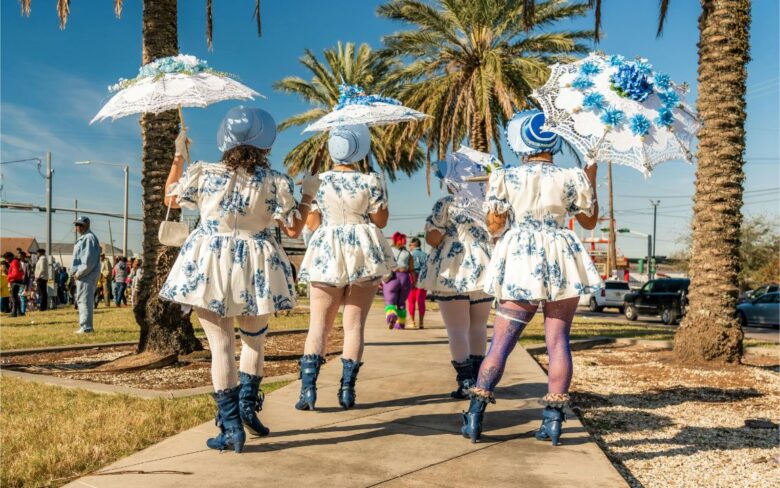
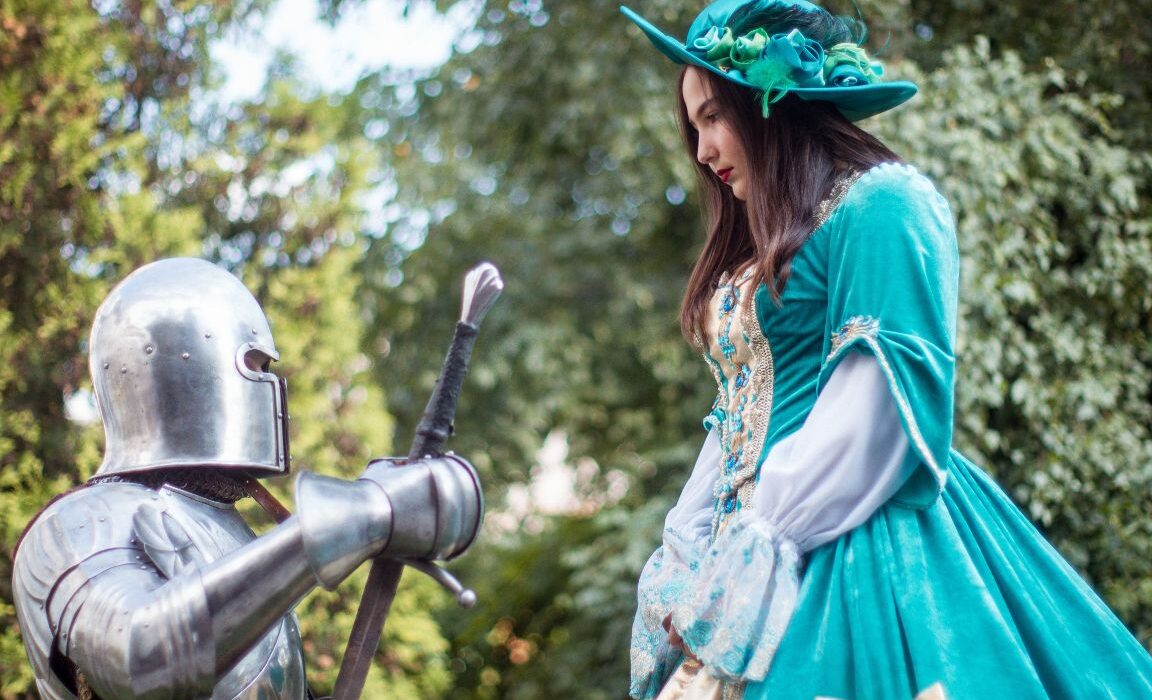
The audience at most Renaissance faires participates enthusiastically in the theatrical premise, with a significant proportion of regular attendees arriving in their own period costumes. Costuming at Renaissance faires ranges from simple peasant outfits assembled from thrift store items to extraordinarily elaborate hand-sewn constructions that represent weeks of work and thousands of dollars of investment.
The Best Renaissance Faires in the USA
Texas Renaissance Festival — Todd Mission, Texas
When: Eight weekends in October and November
The Texas Renaissance Festival is the largest Renaissance faire in the United States by both size and attendance, drawing around 500,000 visitors across its eight-weekend run on a 55-acre permanent site northwest of Houston. The scale is genuinely impressive — the festival grounds contain multiple performance stages, a jousting arena, hundreds of vendor booths, food and drink stalls, and enough space that a single visit can only cover a portion of what is available.
The Texas faire runs themed weekends throughout its season — an opening weekend, a Celtic weekend, a barbarian invasion weekend, a pirate adventure weekend — that give repeat visitors reason to attend multiple times and that add variety to the programming across the season.
The sheer scale of the Texas Renaissance Festival means it operates more like a permanent attraction than a pop-up event. The grounds are professionally constructed, the shows are well-resourced, and the visitor infrastructure is more developed than at most travelling or shorter-run faires.
Best for: First-time Renaissance faire attendees who want the maximum possible scale. Texas residents for whom it is a reasonable drive. Anyone who wants to spend a full day or multiple days in a thoroughly developed faire environment.
Practical notes: October and November in the Houston area can be genuinely hot. Early in the season tends to be hotter than late. The themed weekends add interest but also bring larger crowds.
Maryland Renaissance Festival — Crownsville, Maryland
When: Eight weekends from late August through mid-October
The Maryland Renaissance Festival is consistently rated among the best Renaissance faires in the country for the quality of its production, the depth of its performer community, and the overall coherence of the experience it creates. Located on a permanent site in Crownsville between Baltimore and Annapolis, it has been running since 1977 and has developed a devoted regular audience and a deep bench of experienced performers.
The Maryland faire creates a more genuinely immersive experience than many larger events because the attention to detail — the consistency of the performer interactions, the quality of the staged shows, the layout of the grounds — is higher than events primarily focused on vendor revenue.
The jousting programme is particularly strong, with professional jousters who provide both the theatrical staging and enough genuine skill to make the performances interesting for adults who approach it critically as well as for children who simply enjoy watching.
Best for: People who prioritise quality of experience over scale. Mid-Atlantic visitors for whom it is a reasonable trip. Anyone who wants the best overall Renaissance faire experience in the eastern United States.
Sterling Renaissance Festival — Sterling, New York
When: Seven weekends from late June through mid-August
The Sterling Renaissance Festival in upstate New York is one of the most beloved mid-size Renaissance faires in the country, with a reputation for exceptional performer quality and the kind of warm, community-rooted atmosphere that larger commercial events sometimes sacrifice for scale.
The grounds in Sterling are wooded and genuinely atmospheric in a way that the open agricultural fair sites of some larger events are not. The shade of the trees, the layout of the paths through the performer areas, and the consistency of the character interactions create an environment that feels genuinely theatrical.
The Sterling faire is specifically recommended for visitors who have been to larger faires and want a different kind of experience — more intimate, more focused on performance quality, more driven by the genuine enthusiasm of the performer community.
Bristol Renaissance Faire — Kenosha, Wisconsin
When: Nine weekends from early July through Labor Day
The Bristol Renaissance Faire on the Illinois-Wisconsin border serves the enormous Chicago and Milwaukee metropolitan markets and is one of the largest Renaissance faires in the Midwest, drawing around 250,000 visitors across its season on a permanent 30-acre site.
Bristol runs a full programme of staged entertainment including jousting, stage shows, and the street performers who animate the grounds throughout the day. The location on the state line makes it one of the most accessible major Renaissance faires in the country by population served.
Colorado Medieval Festival — Erie, Colorado
When: Typically three weekends in June or July
The Colorado Medieval Festival is a newer and smaller event than the established faires above but has developed a devoted following for the quality of its organisation and the authenticity of its approach. The Colorado faire places more emphasis on historical accuracy than most American Renaissance events, which makes it an interesting alternative for visitors who want the theatrical environment of a faire combined with more attention to genuine medieval history.
The Boulder-Denver market it serves is underserved by faire events relative to its size, which gives the Colorado Medieval Festival a strong audience base despite its shorter run.
Ohio Renaissance Festival — Waynesville, Ohio
When: Nine weekends from late August through October
The Ohio Renaissance Festival on the site of a former strip mine outside Waynesville is one of the most consistently well-regarded mid-size faires in the Midwest, with a permanent site development that includes a recreated English village environment, a jousting arena, and multiple performance stages.
The October timing in Ohio means the weather can range from warm and pleasant to genuinely cold, which adds a layer of practical planning but also means the autumn setting is sometimes genuinely beautiful.
Northern California Renaissance Faire — Casa de Fruta, California
When: Three weekends in May or June
California’s northern Renaissance faire, held at Casa de Fruta south of San Francisco, serves the Bay Area market and is one of the more pleasant mid-size faire experiences available on the West Coast. The site among the orchards and gardens of Casa de Fruta provides an attractive setting, and the faire is well-organised with a consistent performer community.
Southern California’s Original Renaissance Pleasure Faire in Irwindale serves the Los Angeles market during the spring season and is historically significant as the descendant of the original 1963 Agoura event that started the American Renaissance faire tradition.
What to Expect at a Renaissance Faire
The performances
Most Renaissance faires organise their staged entertainment across a schedule published in the day’s programme, with shows on multiple stages throughout the day. The typical programme includes jousting, which is the flagship event at most faires and usually runs two or three times during the day. Stage shows in a more theatrical format — comedic, dramatic, or variety-style — run on smaller stages throughout the grounds. Street performers animate the paths between fixed stages with improvisational character interactions.
The jousting deserves specific mention because its quality varies dramatically between events. At the best faires, the jousting is performed by professional jousters with genuine horsemanship skill and choreographed to be both theatrical and genuinely skilled. At lesser events, it is a staged performance with limited horsemanship. The Maryland faire and the Texas faire both have strong jousting programmes.
The vendors
A significant portion of the Renaissance faire grounds at every major event is occupied by vendor booths selling handmade and period-appropriate goods. The quality and authenticity of these vendors varies considerably.
The best faire vendors are genuine artisans producing handmade work — blacksmiths forging ironwork on site, leatherworkers producing custom pieces, glassblowers demonstrating their craft, jewellers working in period-appropriate styles. These vendors provide both a shopping experience and a demonstration experience that is genuinely worth engaging with.
Less curated vendor areas at larger faires include significant amounts of imported and mass-produced merchandise presented in a period-appropriate aesthetic. The distinction between a handmade leather belt from a craftsman who made it and an imported belt sold at a Renaissance faire booth is worth being able to make.
The food and drink
Renaissance faire food is a specific genre that combines period-appropriate aesthetic with practical outdoor festival food. Turkey legs — enormous roasted turkey drumsticks that have become the signature food of the American Renaissance faire — are available at virtually every event and are genuinely good when prepared well.
Mead, the honey-based alcoholic drink historically associated with medieval Europe, is available at most faires in varying quality from commercially produced to small-batch. The better faires carry genuine craft mead from local producers.
Bread bowls, sausages, pickled foods, and various other items presented in a period-appropriate style round out the food options. The quality varies more between faires than the selection does.
What to Wear
Costuming at Renaissance faires is encouraged and enthusiastically practiced by a significant proportion of attendees, but street clothes are perfectly acceptable at every event.
For first-time visitors who want to participate in the costuming culture without significant investment, a few specific approaches work well.
Simple peasant costume: A loose linen or cotton shirt, a pair of simple trousers or a skirt, and a belt or sash. Assembled from thrift store items or inexpensive online sources, a basic peasant aesthetic is immediately readable as faire-appropriate and requires minimal investment.
A single statement piece: Many regular faire attendees build outfits around a single quality piece — a handmade bodice, a well-made cloak, a quality leather belt — combined with simpler supporting pieces. This approach produces better results than trying to assemble a complete costume from budget pieces.
Practical footwear: Many people wear period-appropriate footwear — leather boots, simple flat shoes — but comfortable modern shoes are entirely acceptable and more practical for a full day of walking. Do not attend a Renaissance faire in new or uncomfortable shoes.
Weather appropriate layers: Renaissance faires run into the late autumn in many regions and weather can change significantly throughout the day. A cloak or a substantial outer layer works in both the costume aesthetic and the practical warmth need simultaneously.
Tips for First-Time Visitors
Arrive early. The first hour of a Renaissance faire is the most manageable for getting oriented, the most accessible for popular vendor booths, and the most atmospheric before the crowds build to their afternoon peak.
Get the day’s schedule when you arrive. The programme for the day is usually distributed at the gate and lists all the scheduled performances by stage and time. Identifying the one or two things you most want to see and planning your day around them gives the rest of the day structure without over-scheduling it.
Talk to the performers. Renaissance faire performers are trained to maintain character and to engage with visitors who address them. The improvisational character interactions that develop from genuine engagement with a performer are one of the most distinctive pleasures of the faire experience and do not happen if you treat the performers as background decoration.
Budget more time than you think you need. Most people who attend a major Renaissance faire for the first time underestimate how long they will want to stay. A half-day plan regularly becomes a full day, and a full day sometimes extends to closing.
Cash is preferred. Many Renaissance faire vendors operate on cash only or strongly prefer it. Having adequate cash before arriving at the grounds is more practical than using the ATM facilities within the faire.
FAQ
Do I have to wear a costume to a Renaissance faire?
No. Street clothes are perfectly acceptable at every Renaissance faire in the country. Costumes are encouraged and enthusiastically practiced by a large portion of regular attendees, but visitors in ordinary clothes are welcomed at every event.
Are Renaissance faires appropriate for children?
Yes, in general. Most Renaissance faires are explicitly family-friendly events with programming specifically oriented toward children — puppet shows, children’s stages, and scaled activities. The jousting and stage show content is generally appropriate for all ages. Some faires have adult-oriented evening events with more explicit content, which are clearly marked. Daytime programming at all major faires is family-appropriate.
What is the difference between a Renaissance faire and a medieval festival?
The terms are used interchangeably by most events and most visitors. Technically, the Renaissance period (roughly 14th to 17th century) follows the medieval period (roughly 5th to 15th century), and events that emphasise historical accuracy sometimes use the more appropriate period term. In practice, both descriptions refer to the same type of event — outdoor theatrical environments recreating or evoking a European pre-modern aesthetic.
How much does a Renaissance faire cost?
Admission prices range from around $15 to $30 for single-day adult admission at most major faires. Children’s admission is typically lower. Food, drink, and shopping at vendor booths is additional and can add significantly to the total cost for visitors who engage fully with both. Budget $60 to $100 per adult for a full day including admission, a meal, a drink, and one or two vendor purchases.