
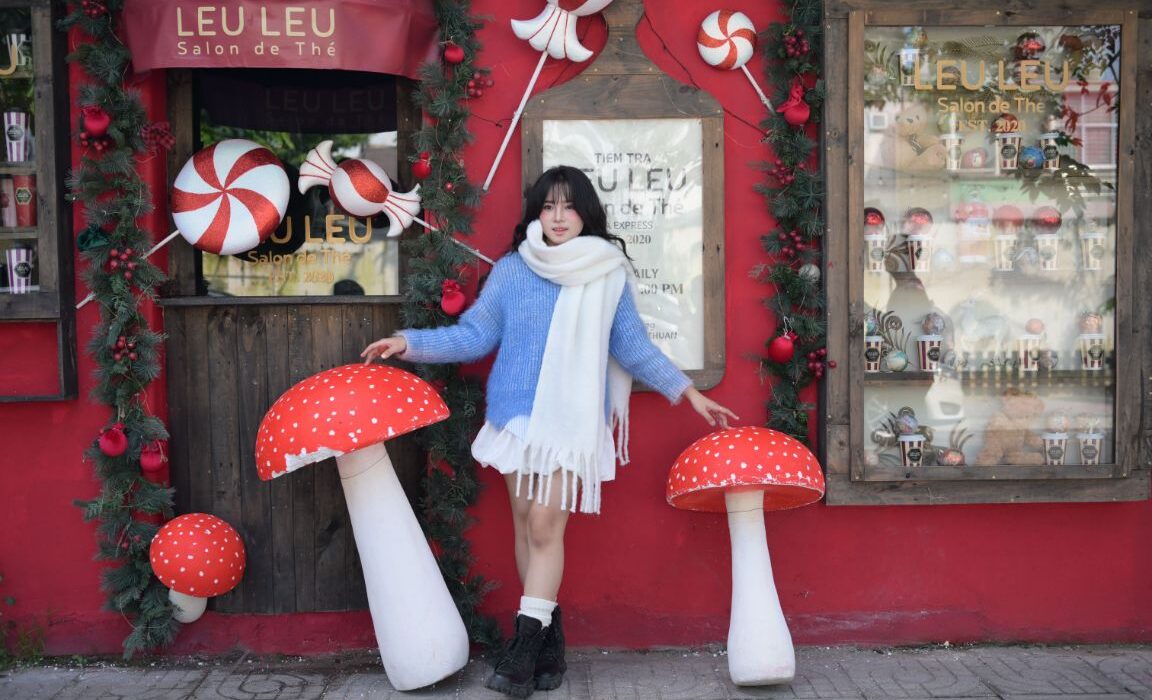
Christmas markets are one of those events where getting the outfit wrong genuinely affects how much you enjoy yourself. Dress too lightly and you are miserable by the second stall. Overdress in something impractical and you are too hot inside the heated food tents and unable to carry anything. Get the shoes wrong and you are limping back to the car an hour in.
The good news is that dressing well for a Christmas market is not complicated. It is mostly about layering correctly, prioritising foot comfort, and choosing pieces that work for hours of slow outdoor browsing in cold temperatures. This guide covers everything you need.
The Golden Rules of Christmas Market Dressing
Before getting into specifics, four rules that apply to every market, every climate, every style preference.
Warmth comes before style. Christmas markets involve standing still for extended periods on cold pavement, browsing slowly, and waiting in short queues at food stalls. The sustained stillness makes you colder than you expect. An outfit that looks impressive but leaves you cold will ruin the experience far faster than a practical one that is slightly less photogenic.
Layers beat a single heavy coat. The temperature difference between standing outside at a market stall and sitting inside a warm restaurant or heated tent can be 25 degrees. A heavy single-layer approach leaves you either too cold outside or too hot inside. Multiple thinner layers that you can add and remove as needed keeps you comfortable through both.
Your feet are the priority. You will be walking on cobblestones, pavement, and possibly wet ground for two to four hours. Feet get cold faster than any other part of the body when standing still. Warm, comfortable, waterproof boots make more difference to your overall enjoyment than any other single clothing item.
Bring a bag that works in a crowd. You will buy things. Food, drinks, gifts, the ceramic Gluhwein mug you did not plan to keep but absolutely are keeping. Having a bag that closes securely and sits at the front of your body means your hands stay free and your purchases stay safe.
Women’s Outfit Ideas
The most successful Christmas market outfits for women balance warmth with enough style to feel festive. The market atmosphere is celebratory enough that dressing with some intention feels right, but practicality should anchor every choice.
The Classic Layered Look
A thermal base layer under a chunky knit sweater or wool turtleneck, topped with a wool or down-padded coat that hits at least mid-thigh. Thick tights or warm leggings under a midi skirt, or simply straight-leg jeans with a thermal underlayer. Knee-high boots or ankle boots with a warm lining. A scarf, hat, and gloves that actually cover your hands properly.
This combination works at every American Christmas market and at European ones too. It is the reliable formula because it addresses every practical need while leaving plenty of room for individual style choices within the framework.
The All-Outerwear Approach
Invest in one genuinely excellent coat and let it carry the outfit. A well-fitted wool overcoat in a camel, burgundy, or forest green reads as both warm and intentionally festive without trying too hard. Wear it over simple, comfortable basics and let the coat do the work. The risk with this approach is underestimating how cold you get when the coat is good but everything underneath is thin. Add a thermal layer beneath your regular clothing as insurance.
The Layered Dress Approach
A heavier knit dress or a wool dress over thick tights, with a substantial cardigan or fleece underneath your outer coat. Add long socks over the tights for extra warmth at the ankle and lower leg, the area that tends to get coldest at outdoor events. This is comfortable, genuinely festive in appearance, and works well at markets where you want to feel dressed up without being impractical.
Colour choices
Christmas market lighting is warm and golden, which means deep, rich colours photograph well and feel seasonally appropriate. Burgundy, forest green, navy, camel, rust, and deep red all work. Black is reliable as always. Head-to-toe white or cream looks striking but shows every splash of Gluhwein, sauerkraut, and mulled cider immediately, which is a genuine consideration at a market.
Men’s Outfit Ideas
Men’s Christmas market dressing is largely about executing a classic cold-weather layering formula well, with some attention to footwear and outerwear quality.
The Smart Casual Formula
A thermal or merino wool base layer, a flannel shirt or wool shirt over it, a mid-layer like a fleece or chunky knit, and a well-fitted wool overcoat or waxed cotton jacket on top. Dark jeans or chinos with a warm underlayer if temperatures are genuinely cold. Leather or suede Chelsea boots or lace-up boots. A scarf, a beanie if temperatures call for it, and gloves.
This works at American markets and European ones. The layering keeps you flexible across temperature changes and the formula is reliable enough that you can focus on enjoying the market rather than managing your clothing.
The Casual Warm Approach
For American markets where dressing down is the norm, a heavyweight hoodie or thick crewneck sweater under a puffer jacket or insulated field jacket, with dark jeans and clean boots, is comfortable, practical, and perfectly appropriate. Puffer jackets at European Christmas markets read slightly more casual than the locals typically dress, but nobody is judging and warmth wins.
The Coat Investment
A quality wool overcoat is the single best investment for Christmas market season. A well-fitted charcoal, camel, or navy wool coat at knee length covers most occasions, looks intentional rather than accidental, and lasts for years. Worn over a turtleneck or chunky knit with boots, it requires very little additional thought while looking appropriately festive.
Shoes and Boots
Footwear is the most important decision you will make for a Christmas market outfit. Get this right and everything else is details.
Best choices
Insulated waterproof boots are the optimal choice for any market where temperatures are genuinely cold or where rain or snow is possible. A leather or synthetic boot with a waterproof membrane, warm lining, and thick sole keeps your feet dry and warm through hours of standing and walking on cold pavement. They do not need to be hiking boots, plenty of insulated Chelsea boots and lace-up styles work perfectly and look appropriate with most outfits.
Leather Chelsea boots work well at mild-temperature markets, particularly in the American South or California in December, where the cold is relative rather than extreme. On genuinely cold days, a wool sock liner inside a Chelsea boot adds meaningful warmth without changing the exterior appearance.
Knee-high boots for women are excellent at Christmas markets because they cover the leg above the ankle, one of the coldest zones when standing on cold pavement. A heeled knee-high boot is manageable at a market because the distances walked are short and the pace is slow, unlike a festival where you are on your feet for hours of sustained movement.
What to avoid
Trainers or sneakers in cold weather offer almost no insulation and get wet quickly on any damp surface. They are fine at a mild Los Angeles Christmas market but a genuine mistake at Chicago’s Christkindlmarket or any European market in December.
Fashion boots without insulation look right but fail in practice. A thin leather ankle boot with no lining in 28-degree weather will leave you miserable within an hour. If your boots are not warm, add wool insoles and thick socks and accept they are still a compromise.
New boots of any kind. A Christmas market is not the occasion to break in new footwear. The combination of cold, long periods of standing, and unfamiliar shoes is a reliable recipe for blisters and misery. Wear boots you have already worn several times.
Accessories Worth Bringing
A scarf is the single most versatile warmth item you can add to any outfit. It covers the neck and lower face, adds significant warmth, and can be removed and stuffed in a bag when you are inside. A wool or cashmere scarf works best. A long scarf that can be wrapped twice is more useful than a short decorative one.
Gloves need to actually keep your hands warm rather than just exist. Thin knit gloves in fashion colours are a Christmas market standard but provide minimal insulation in genuinely cold weather. Leather gloves with a wool lining, or thicker knit gloves with a thermal backing, do the job properly. Touchscreen-compatible fingers are worth having so you can use your phone without taking them off repeatedly.
A hat that covers your ears makes a significant difference to your overall warmth, since a substantial amount of body heat is lost through an uncovered head. A beanie, a wool beret, or a wide-brim felt hat all work. Choose one you will actually wear rather than carry.
Hand warmers are underrated at Christmas markets. A pair of single-use chemical hand warmers in your coat pockets costs almost nothing and transforms the experience on genuinely cold days. Reusable electric hand warmers work even better for repeated visits.
A portable phone charger is not a clothing item but belongs on this list. Christmas market evenings involve significant photography and the cold accelerates battery drain. A small charger in your coat pocket is the kind of practical addition that pays off every time.
Dressing for European Christmas Markets
European Christmas markets are colder than most American ones and involve more walking, since the markets in cities like Nuremberg, Strasbourg, and Vienna spread across multiple sites connected by walking through medieval city streets. The practical clothing requirements are more demanding as a result.
Temperature range: Expect 25 to 45 degrees Fahrenheit across most German, Austrian, and French Christmas market destinations in November and December. Prague tends to run slightly colder. Edinburgh and Copenhagen are milder but consistently wet.
Cobblestones everywhere: Every historic European Christmas market city has extensive cobblestone streets. Heeled boots that work on smooth American pavement become genuinely treacherous on uneven wet cobblestones, particularly if there has been rain or light frost. Block heels or flat boots are strongly preferable to stiletto or thin heels at any European market.
More walking between markets: Cities like Vienna and Cologne have multiple market sites spread across the city. A full day of market touring involves significant walking between locations. The footwear that handles two hours of standing at an American market needs to handle four to six hours of combined walking and standing at a multi-site European one.
Indoor dining matters more: European Christmas market visits typically include longer sit-down meals at restaurants in the evening, when the combination of cold and time spent outside makes warming up properly worthwhile. Having layers that work in a smart-casual restaurant as well as at an outdoor stall saves the need for a full outfit change.
What Not to Wear
Anything white or very light coloured on the bottom half. Christmas markets involve food, drinks, mud on wet days, and crowds. Light-coloured trousers or a white skirt will not survive the experience.
A bag you have to keep watch over. Christmas markets are busy and navigating crowded stalls while managing an open tote or an insecure backpack adds stress to what should be a relaxed experience. A bag that closes properly and sits close to your body is worth the slight inconvenience of switching from your regular carry.
Too many layers of equal thickness. Three thin layers work better than two medium ones because you can remove one at a time as conditions change. A heavy single coat over thin basics is the least flexible combination and will have you either cold outside or overheating inside throughout the day.
Impractical gloves. Fingerless gloves look good but provide almost no warmth in genuinely cold temperatures. Very bulky ski gloves make it impossible to handle money, food, or small purchases easily. The sweet spot is a warm knit or leather glove that you can actually use your hands in.
Anything you would be upset to lose or damage. Christmas markets involve mulled wine in collectible mugs, bratwurst with mustard, and the inevitable splash from the person next to you at a crowded stall. Wear things that can survive contact with food, drink, and wet weather without disaster.
What Bag to Bring
The bag question at a Christmas market is largely about managing what you buy as well as what you bring. A small crossbody bag for your essentials combined with a foldable tote for purchases is the most practical combination.
The crossbody bag holds your phone, wallet, ID, card, and lip balm. It closes securely, sits at the front of your body where you can see it in crowds, and keeps your hands free. Choose one that fits under your coat if possible, keeping valuables even more secure in crowded markets.
A foldable tote or canvas bag that packs flat in your coat pocket or crossbody bag is the best solution for purchases. Christmas market shopping involves an accumulation of wrapped ornaments, boxed food gifts, and bagged items that are awkward to carry individually. A sturdy tote that you unfold when you start buying solves this without requiring you to carry a large bag from the start of the visit.
What to avoid: A large backpack is unwieldy in crowds and makes you a slower, more cumbersome presence in busy market aisles. A small clutch is fine for the evening but offers no room for layers you shed or things you buy. An open tote from the start of the visit is a security consideration in busy European market cities.